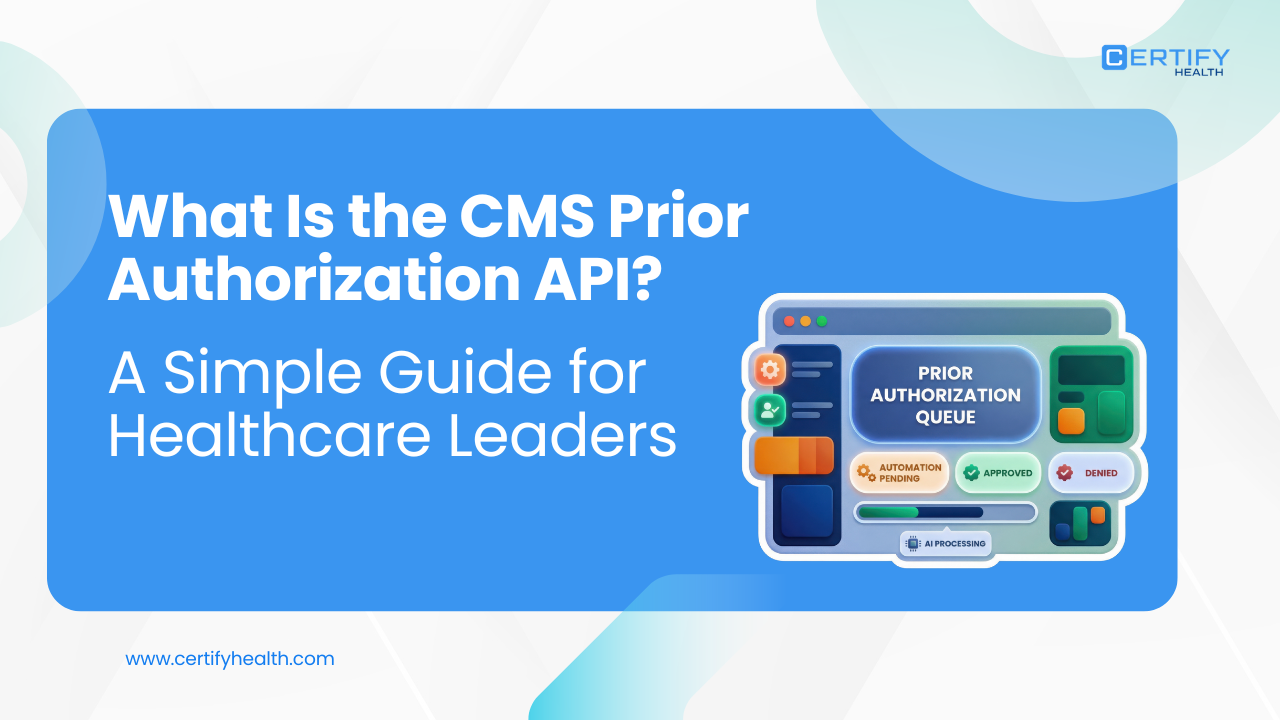
What Is the CMS Prior Authorization API? A Simple Guide for Healthcare Leaders
Most dental offices still use old or partly safe dental patient forms. This can put patient data at risk.

Most dental offices still use old or partly safe dental patient forms. This can put patient data at risk.
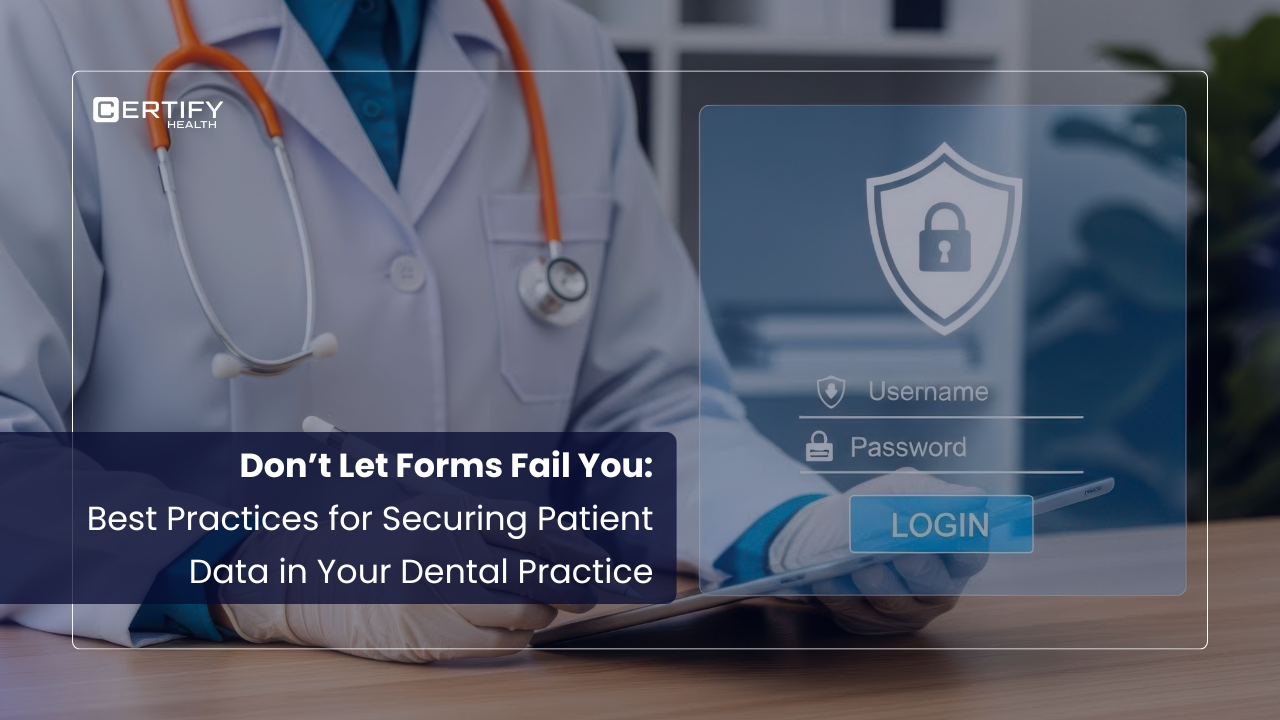
Most dental offices still use old or partly safe dental patient forms. This can put patient data at risk.
Most dental offices still use old or partly safe dental patient forms. This can put patient data at risk.
Most dental offices still use old or partly safe dental patient forms. This can put patient data at risk.
Most dental offices still use old or partly safe dental patient forms. This can put patient data at risk.
At HIMSS 2026, leaders said it over and over. “We have the data. We can’t see everything in one view.”
Hospitals lost $25 billion to claim denials in 2025. This comes from the Healthcare Financial Management Association. Denial rates hit 15% to 20%. Over half link to poor clinical notes. These issues start early but hurt later in billing.
Healthcare in the U.S. loses an estimated $1 trillion annually to inefficiency, with roughly ~25% of spending tied to waste that improved healthcare interoperability and shared electronic platforms could cut.
Healthcare organizations generate massive volumes of clinical data, but much of it remains trapped in disconnected systems. A national study analyzing 2,420 U.S. hospitals found that while 71% of hospitals can electronically access patient information from external providers, only 42% routinely use that data in clinical care due to persistent interoperability barriers.
Healthcare interoperability is the ability of different healthcare systems, applications, and devices to exchange, interpret, and use data in a coordinated way that supports patient care, operations, and reporting. Healthcare interoperability is not just about moving data; it is about making that data understandable and actionable wherever a patient shows up.