10 Ways Patient Intake Software Improves Healthcare Efficiency
Today we are going to talk about something that’s probably driving you crazy- those endless stacks of paperwork and the constant back-and-forth with patients during intake.

Today we are going to talk about something that’s probably driving you crazy- those endless stacks of paperwork and the constant back-and-forth with patients during intake.
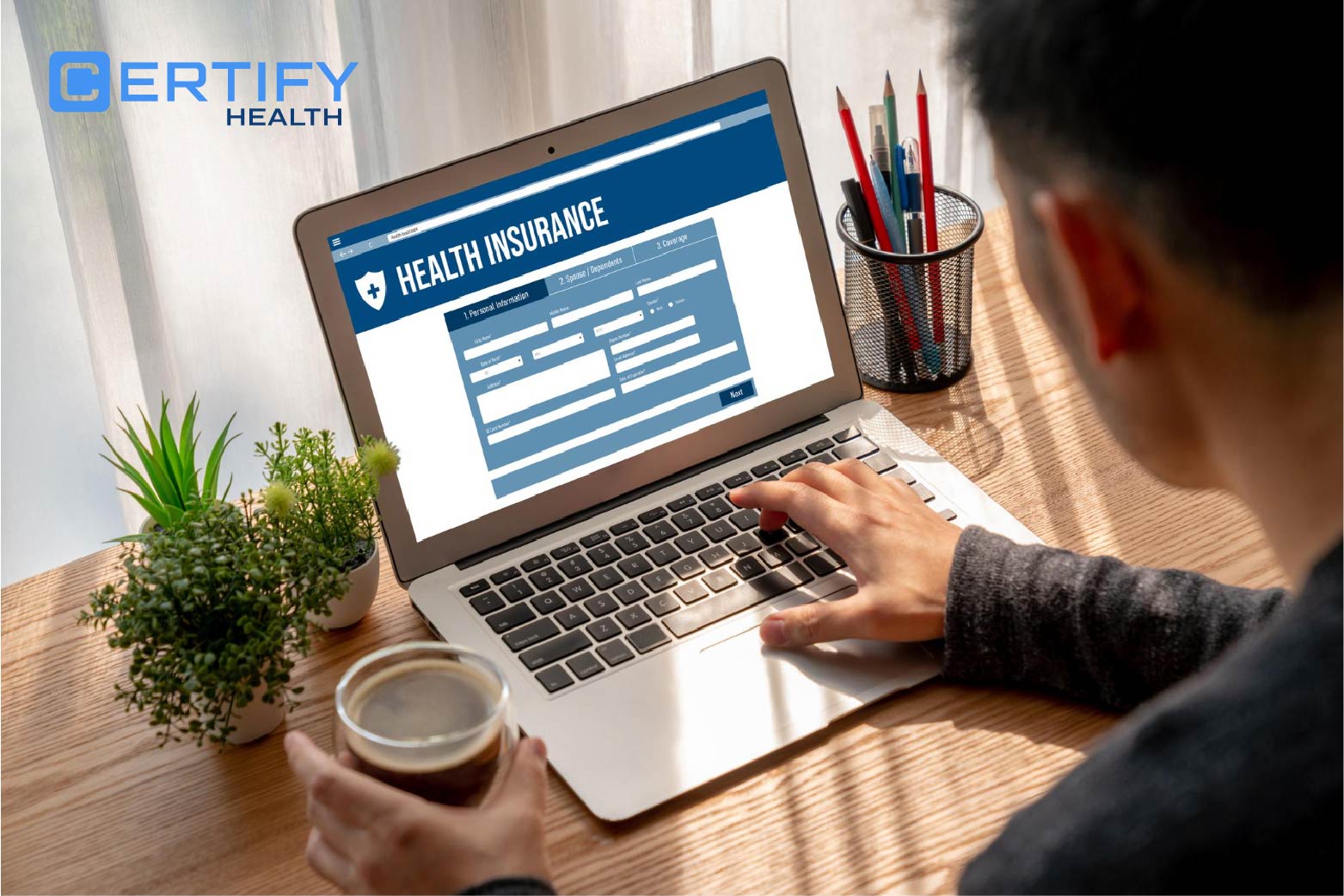
The difference between financial stability and revenue loss for healthcare organizations often hinges on a single process: patient insurance eligibility verification.

Understanding the future of healthcare: By 2025, the landscape of medical practice will be changing faster than ever before. Patients’ demands for faultless digital experiences

Ineffective revenue cycle management (RCM) costs medical practices thousands each month. With claim denials averaging 5-10% and patient payment responsibility rising, a well-optimized RCM process is essential for financial health.

Inpatient admission is the critical transition from ER or clinic to hospital care—it is where first impressions are formed, and efficiency matters most. The practices set the tone for the overall care experience during this transition, which is also where they first interact with

Ever had one of those crazy days at your practice when nothing seems to go right? You’re not alone! Healthcare practices lose a whopping 30% of potential revenue because of messy front-end processes and those dreaded no-shows.

Missed appointments cost the U.S. healthcare system $150 billion annually, with a physician losing over $150,000 each year.

Claim denials are a major headache for healthcare providers, leading to annual $25 million in lost revenue.

It’s 6 PM—your front desk staff slump, drained by endless calls and tattered appointment books. Staffing shortages cost hospitals $24 billion extra in 2021, soaring to $86 billion
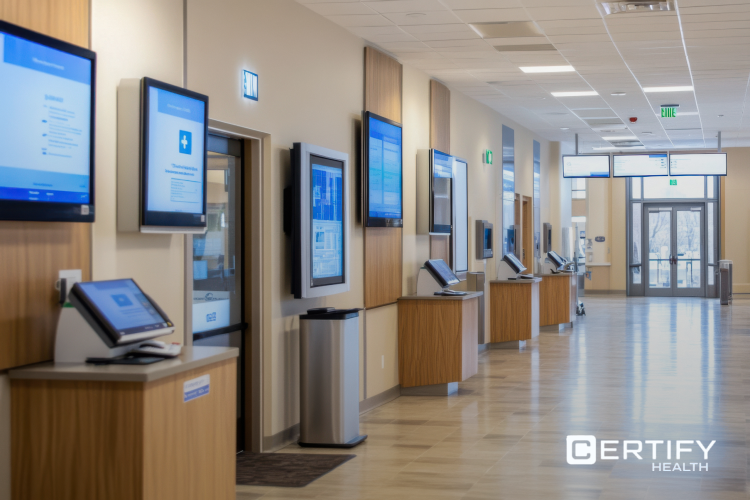
By 2025, clipboards and paper forms are history—Medical check-in is the new norm. Healthcare providers are under pressure to work smarter, improve patient experiences, and ensure patient data privacy.