
PBM Reform 2026: What It Means for Drug Costs and Patient Access
The healthcare landscape is shifting. For years, the complexity of drug pricing has remained a persistent challenge for American families and businesses.

The healthcare landscape is shifting. For years, the complexity of drug pricing has remained a persistent challenge for American families and businesses.

We often talk about how technology should be helpful in the moments that matter most.
Today, that helpfulness is redefining the dental industry.
We are seeing a fundamental shift where the patient journey is no longer a straight line but a complex, digital-first experience.
To build a resilient practice, we must organize your digital presence to be as intuitive and accessible as possible.

Orthodontic clinics that modernize their operational systems report significantly higher satisfaction rates, with post-treatment scores exceeding 91% in technology-enabled environments. Yet many practices continue to struggle with long wait times, billing delays, administrative bottlenecks, and fragmented workflows that quietly erode patient trust and revenue.

The global endodontic market is forecast to reach approximately USD 3.38 billion by 2034, growing at a compound annual growth rate (CAGR) of about 3.4 % over the period, driven by increasing demand for advanced endodontic instruments and consumables.

It’s an exciting time to be at the intersection of healthcare and technology. As we move deeper into 2026, we’re seeing a profound shift in how information moves. We’ve spent decades digitizing records; now, the challenge is making that data speak to the right person at the right time.
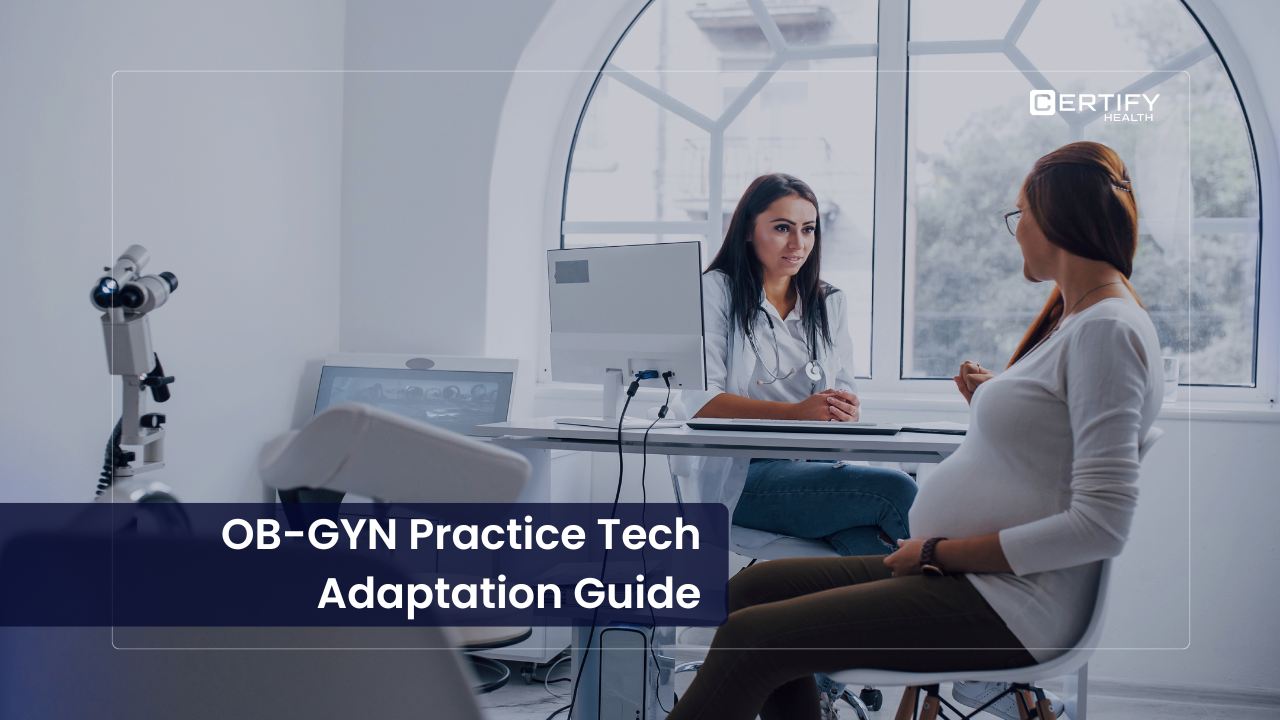
OB-GYN practices face mounting financial pressure: burnout rates as high as 40–75%, billions lost annually to claims denials, staffing shortages in rural obstetrics, and operational drag from legacy IT silos.

Outpatient patient follow up within 7 days of discharge has been consistently associated with significant reductions in 30-day readmissions for high-risk conditions such as heart failure (HF) and acute myocardial infarction (AMI), particularly among older adults.
You’re a practice manager staring at another gaping hole in the OB-GYN appointment calendar. That missed prenatal visit? It cascades into rescheduled prenatal care visits, frustrated lead OB-GYNs, and revenue managers pulling hair over unfilled high-value slots.

Family practice management has transitioned from an administrative necessity to a rigorous exercise in operational engineering.

Remote patient monitoring (RPM) has matured from a novel pilot to a measurable standard of chronic and longitudinal care.