
Table of Contents
Introduction
Site-neutral payments kicked in for 2026.
CMS reduced payments for drug administration at off-campus clinics. Rates now sit at about 40% of OPPS.
At the same time, CMS has removed around 285 procedures from the inpatient-only list. This allows more procedures to be performed in outpatient settings and Ambulatory Surgical Centers (ASCs).
Hospitals face revenue drops. ASCs see procedure volume rise.
Both need smart ops tweaks.
Key Takeaways
- CMS estimates $280M–$290M in reduced OPPS spending from site-neutral drug administration changes.
- More procedures become eligible for outpatient and ASC settings, pulling volume from hospitals.
- Practice management software helps track shifts and adapt fast.
- RCM tools cut billing errors caused by rate changes.
- Both sides must improve efficiency to hold revenue.
Payment Shift Hits Off-Campus Hospital Outpatient Departments Hard
CMS rules target off-campus HOPDs.
Drug administration payments drop to 40% of full OPPS rates. CMS estimates about $280M–$290M in reduced OPPS spending from this change. This creates revenue pressure for hospital outpatient departments.
Hospital COOs see this in action.
Consider a typical off-campus clinic that billed full OPPS for chemo drugs last year. Now, the same services generate lower reimbursements, while overhead stays roughly the same.
Using practice management software spots these gaps early. It tracks claims by location and flags when payments drop below expected OPPS‑based benchmarks.
You’ll need tools to adapt quickly.
PMS integrates revenue data across sites. Showing the exact financial impact per department, per code, and by site type.
ASCs Gain Ground with New Code Access
ASCs benefit because more procedures are now allowed outside inpatient hospitals. Some procedures may become affordable in ASC settings under new payment rules.
Healthcare scheduling software helps here. It books rooms and improves staff efficiency across changing case volumes, so the clinic runs smoothly even as volumes move between sites.
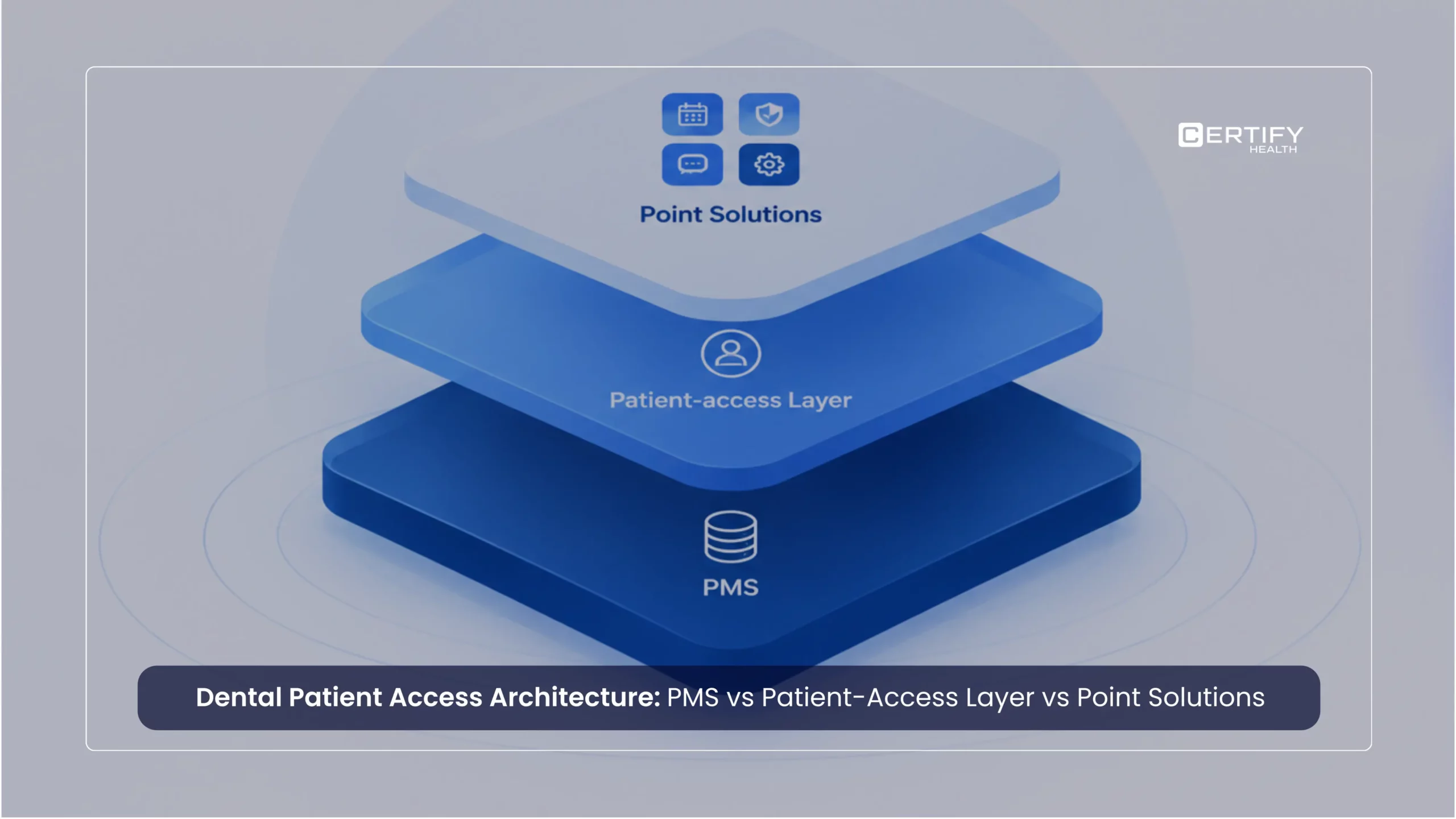
CERTIFY Health’s practice management software scales to handle this volume by unifying scheduling, digital intake, insurance eligibility, and billing workflows across the care journey.
It helps ASCs absorb migrating procedures, protect revenue, and reduce handoffs between sites and roles.
Revenue Cycle Strains on Both Sides
Hospitals deal with split rates. Off-campus sites bill lower. On-campus sites continue to receive higher OPPS rates. This adds billing complexity.
ASCs face new code mixes. They must prove site eligibility. Errors spike without help.
CERTIFY Health’s revenue cycle management software and CERTIFYPAY fix this and streamlines differential rates.
They apply rules based on location at the charge and claim level, automatically. This ensures off-campus and on-campus services route to the correct rate.
The system flags mismatches across procedure type, location, and allowed rates. This reduces coding and documentation errors before claims are submitted.
CERTIFYPAY sits underneath those workflows and captures copays, deductibles, and self‑pay balances in real time.
It works across online portals, text‑to‑pay links, mobile wallets, and in‑clinic channels. Payments post directly into the billing engine.
Together, they streamline differential rates and site‑specific rules at the charge and claim level.
Operational Changes Hospitals Must Make
Hospital leaders need to respond quickly.
- First, review off-campus revenue. PMS runs site-specific reports.
- Next, shift low-margin drugs. Move them to physician offices. Track with healthcare scheduling software.
- Finally, cut costs. Trim staff on slow days. PMS forecasts volume drops accurately.
How ASCs Can Capture and Hold Volume
- ASCs prep for influx. Start with capacity checks.
- Then, market your edge. Lower rates draw referrals. PMS manages intake surges.
- Last, nail compliance. New codes need clean docs. RCM software ensures it.
Tools to Adapt Without Overhaul
PMS helps leaders act quickly without a full system overhaul.
It brings operations, scheduling, and billing into one clear view. From that view, you can see how site‑neutral cuts affect each department and patient volume.
This change is reshaping ambulatory care. Hospitals tighten off‑campus HOPDs and reduce low‑margin services. ASCs absorb more procedures and focus on smooth, predictable workflows.
Strong data visibility is the real edge. Organizations that track volume, costs, and revenue by site adapt faster. They also protect margins as payment rules keep shifting.
Ready To Assess Your Ops? Schedule an operations assessment to prepare for site-neutral payment shifts.