Top 10 Revenue Cycle Management Software in 2026 for Outpatient Practices
U.S. providers lose billions each year to revenue cycle inefficiencies, RCM and administrative waste alone cost hospitals over $160 billion annually.

U.S. providers lose billions each year to revenue cycle inefficiencies, RCM and administrative waste alone cost hospitals over $160 billion annually.

Clinical documentation is not a passive record. It is an operational control surface that shapes reimbursement, audit risk, clinician workload, and patient trust.

MRI delays in orthopedic workflows are not incidental or occasional. They are systemic, well-documented, and measurable.

Dermatology practices operate under one of the most demanding operational models in outpatient care.
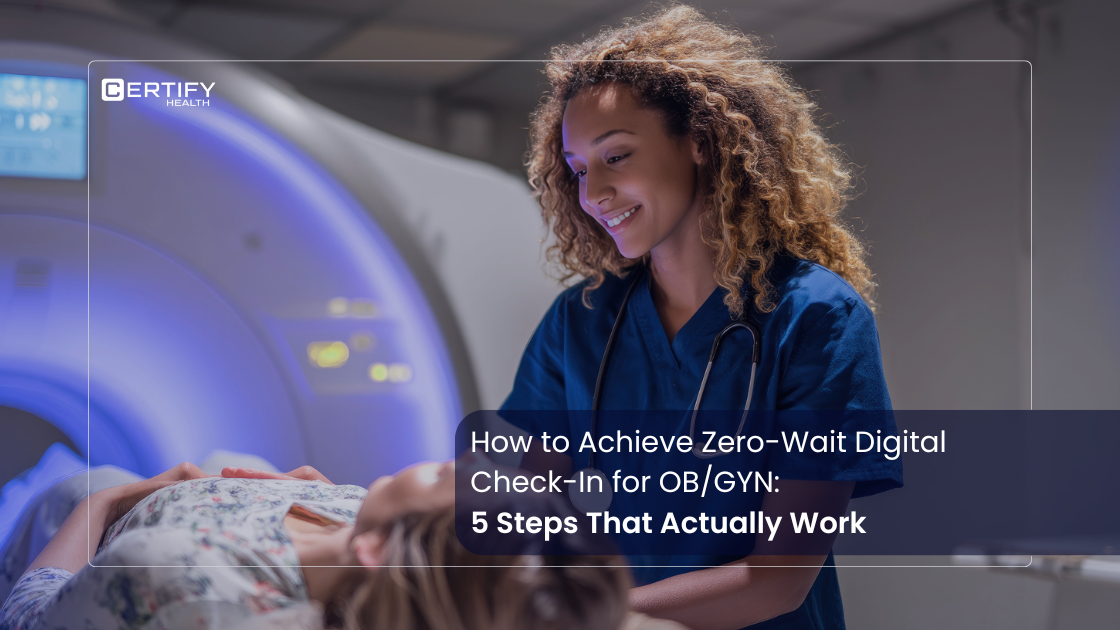
In OB/GYN, where visits are frequent, time-sensitive, and emotionally loaded, waiting is not a nuisance. It is a system failure. Research consistently shows that wait time is one of the most controllable drivers of patient experience, staff workload, and downstream operational efficiency.

Healthcare is under pressure like never before. Patient volumes are climbing, clinical staff are drowning in documentation, and fragmented systems create gaps that compromise safety and efficiency. From delayed lab results to mismanaged handoffs, these inefficiencies erode both patient trust and operational performance.
2026 is shaping up as a watershed year for healthcare revenue cycle management (RCM). The combination of rising denial rates, automated payer processes, regulatory complexity, and shrinking operating margins is forcing providers to adopt next-generation RCM solutions.
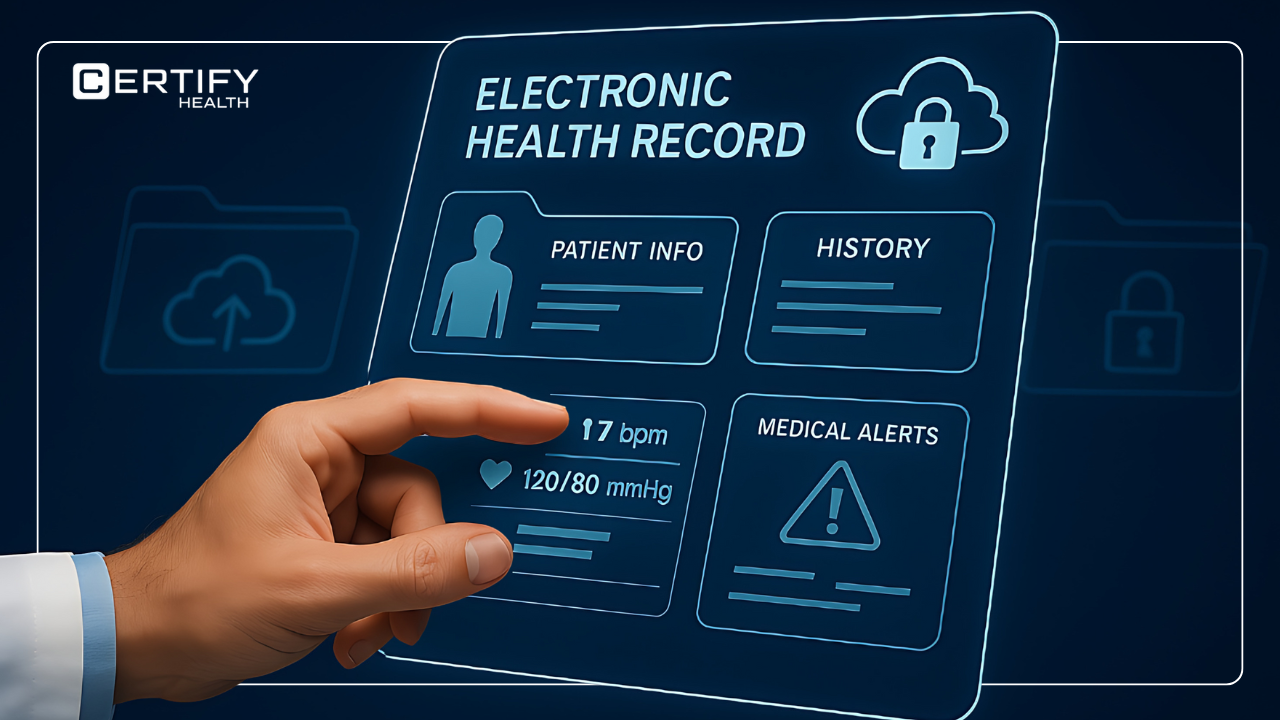
Healthcare interoperability is no longer a technical curiosity or an aspirational goal.
By 2026, it is a regulatory requirement, a clinical utility imperative, and a strategic differentiator for hospitals and health systems of all sizes.

Ever walked into a dental office and instantly felt calm, cared for, and respected? That’s the dental patient experience done right, the sum of every patient touchpoint, from that first online search to the warm “see you soon” after treatment.
Nearly 73% of U.S. adults admit they’re afraid of going to the dentist, and when the experience feels rushed, confusing, or disorganized, that fear turns into missed visits and lost patients.