
Table of Contents
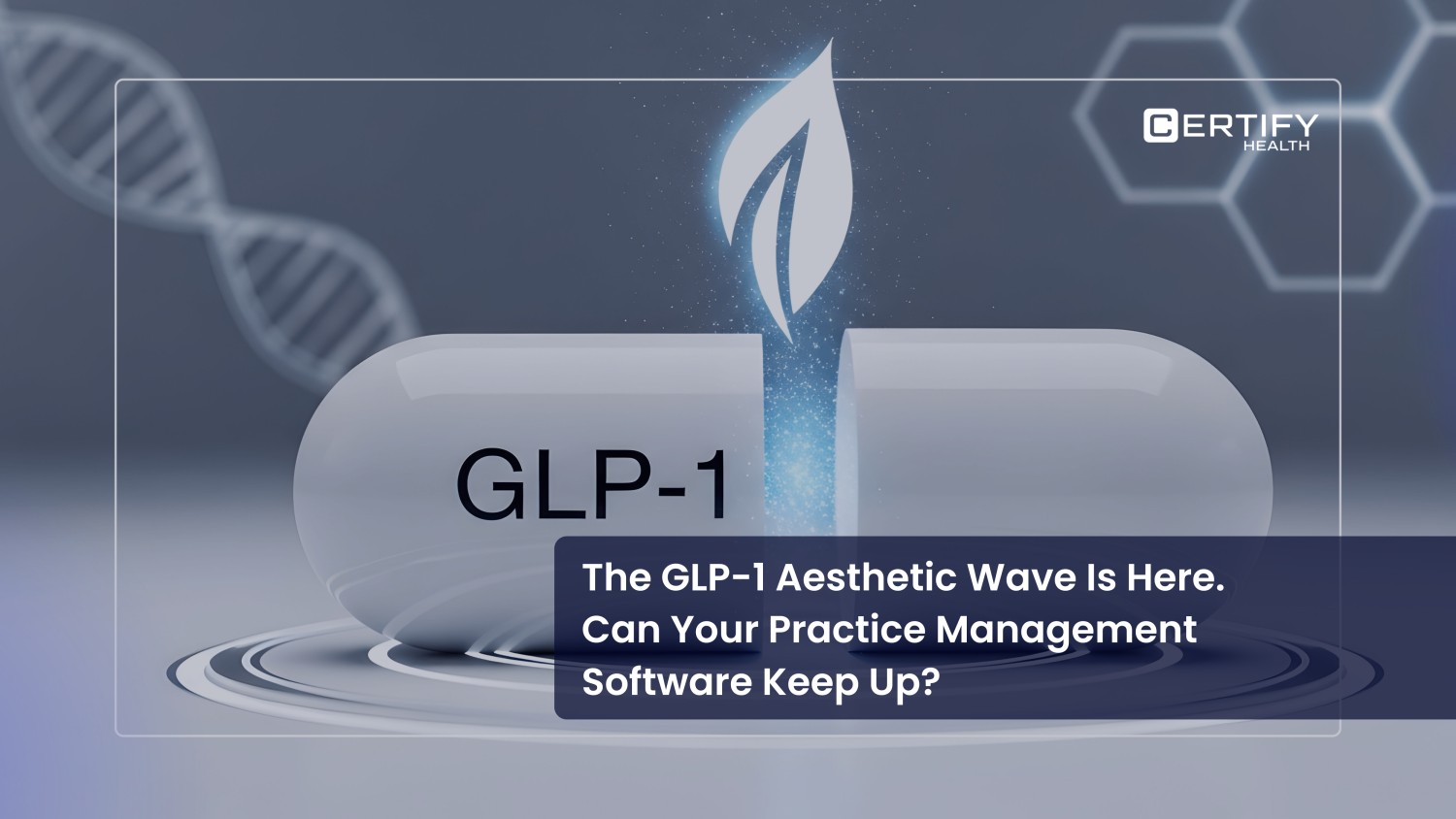
In 2026, new clinical guidance and treatment trends are shaping how providers care for GLP-1 weight loss patients.
Aesthetic practices are already seeing the impact.
GLP-1 drugs are changing how clinics operate.
Many people are losing weight with these drugs. Now, more of them are visiting aesthetic clinics. They ask about loose skin, volume loss, body contouring, and injectables.
This is not a short trend. It is a real shift.
The practices that grow in 2026 will be ready early. Clinical skill matters. But your operations, and the right practice management software, matter just as much.
A New Type of Patient Is Coming In
GLP-1 drugs are bringing in new patients.
A report from McKinsey & Company found that 63% of these patients are new to aesthetics. Many also come in with more than one concern.
For example:
- Loose skin
- Facial volume loss
- Body contouring needs
Many want help with several issues at the same time. This changes how care is delivered.
Care Is More Complex Now
GLP-1 patients rarely come for just one visit.
They often need:
- Multiple visits
- Multiple treatments
- Care from more than one provider
This makes care more complex and adds more work for your team.
What GLP-1 Practices Need Operationally
1. Scheduling Needs to Be Smarter
Scheduling is often the first challenge.
These patients do not need simple booking. They need a structured plan across multiple visits, often involving different providers over time.
A typical journey may include a consult, injectables, device treatments, and a surgical consult later. Managing this manually creates gaps, delays, and missed opportunities.
Your system needs to:
- Support multi-visit care plans
- Match patients with the right provider at each step
- Show real-time availability across providers
- Keep the full treatment plan on track
Online booking is also expected.
Self-scheduling software allows patients to book anytime, without calling your office. It reduces front desk workload and helps keep schedules full.
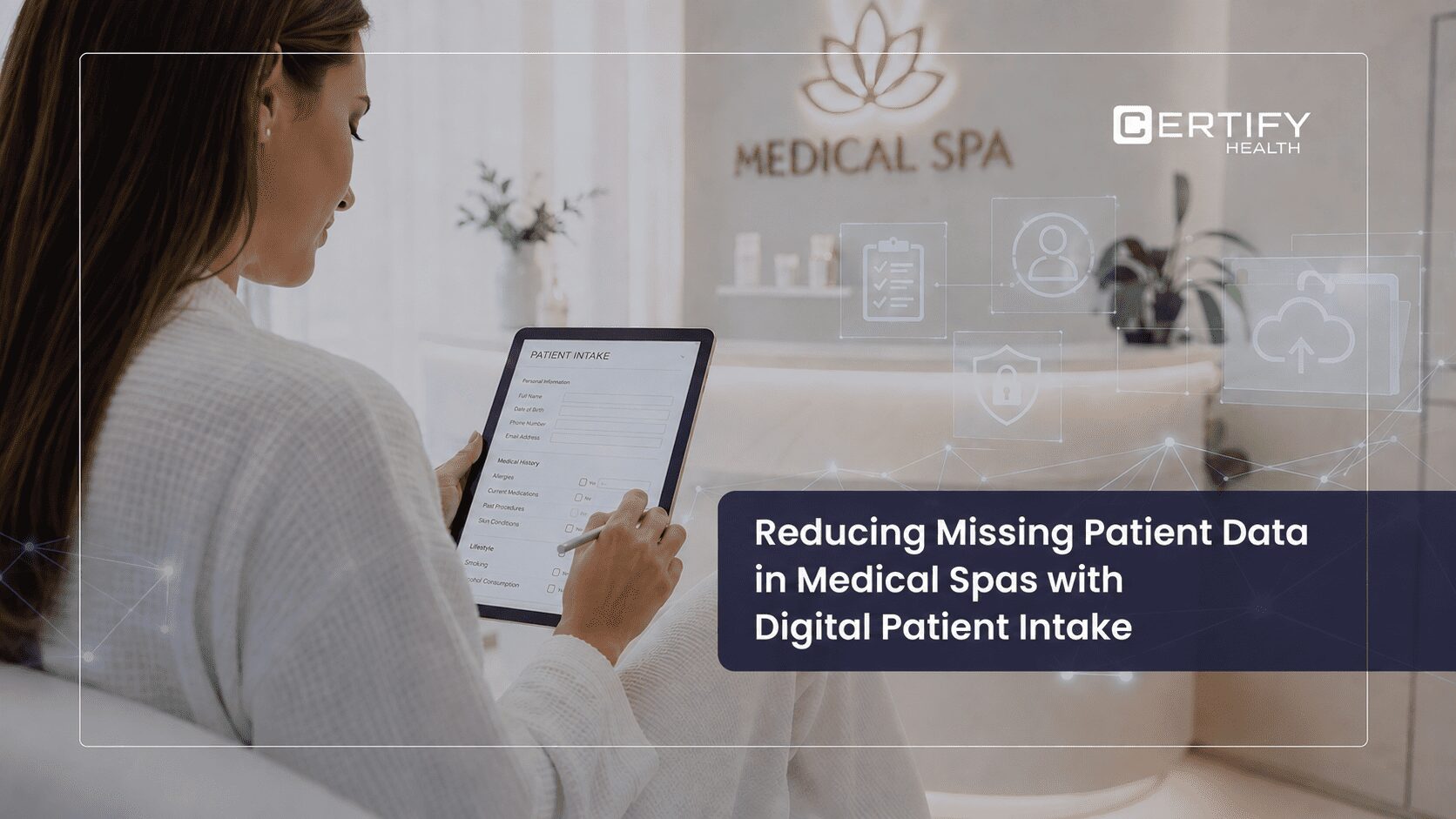
2. Intake Becomes More Important
Many GLP-1 patients are new to aesthetics. They may not know what to expect.
That makes intake critical.
You may need to collect:
- Weight loss history
- Medication use
- Skin concerns
- Treatment goals
Paper forms slow this down. Digital intake forms make it easier to collect accurate information before the visit and connect it to the rest of your workflow.
3. Photo and Consent Tracking Matter
GLP-1 patients often see visible changes over time. Tracking those changes is important for both care and compliance.
You need to manage:
- Before-and-after photos
- Progress over time
- Consent forms
Without a system, this quickly becomes disorganized.
The right practice management software helps store health history, track progress, and manage consent in one place.
4. Billing Is Changing
Billing is becoming more complex.
The Centers for Medicare & Medicaid Services (CMS) will launch a prior authorization demonstration in 2026 covering five procedures, including botulinum toxin injections and panniculectomy.
Panniculectomy, which involves removal of excess abdominal skin, is one of the most relevant procedures for post-weight-loss GLP-1 patients.
While dermal fillers are not included, the direction is clear. Oversight is increasing. Documentation requirements are becoming stricter. Medical necessity will be reviewed more closely.
Practices need to:
- Understand prior auth requirements early
- Align clinical workflows with billing rules
- Ensure documentation supports every procedure
Strong practice management system helps teams meet prior auth requirements early with real-time eligibility verification & payer requirement. Stay compliant and avoid delays without adding extra manual work.
5. Payment Options Help You Grow
Not all GLP-1 patients spend the same way.
Some spend more on treatments. Others may reduce spending because of medication costs.
That is why flexible payment options matter.
Practices can offer:
- Treatment packages
- Membership plans
- Payment plans
These options help patients commit to long-term care.
Communication Keeps Patients on Track
GLP-1 care is not one-and-done. It happens over time.
Patients need support between visits, including:
- Appointment reminders
- Clear next steps
- Follow-up messages
Basic reminders are not enough.
You also need:
- Automated follow-ups
- Simple, clear messaging
- Re-engagement campaigns
This helps patients stay consistent with their treatment plans.
What It Means to Be Ready
To handle this shift, your practice needs CERTIFY Health’s practice management software.
Our software offer setup that supports:
- Self-Scheduling & Multi-Site Scheduling
- Proper Clinical Documentation & Tracking
- Billing & RCM (real-time insurance verification, prior auth, claim submission, & patient payment)
- Patient Communication (reminders & follow-ups at various touch points)
All these tools help your practice keep care plans on track.
The Practices That Will Win
The growth opportunity is real.
GLP-1 demand is bringing in new patients and increasing the complexity of care.
But growth depends on how well your operations can handle it.
Practices that improve:
- Patient access through healthcare scheduling software
- Care coordination
- Digital Intake workflows
- Coding & Billing accuracy
- Communication
Will be better positioned to grow.
Is Your Practice Ready?
Demand is already rising.
The real question is simple: can your workflows keep up?
Start by reviewing your current setup. Look for gaps in scheduling, intake, billing, and communication.
Book a 15-minute workflow assessment.
We will review how your scheduling, intake, and billing workflows handle multi-visit aesthetic care, and show you where gaps may be slowing you down.
You will leave with a few clear, practical steps you can take to improve performance.
Strong operations will set top practices apart.